 RENDPROP
Short answer. “Virtually staged” is the label that tells a buyer the furniture in the photo is not in the home. Put it on every staged image, keep it attached wherever the photo goes, and pair it with the empty original so the buyer sees the room both ways. The label covers furniture; it does not excuse edits that change the room itself.
“Virtually staged” is the label that tells a buyer the furniture in the photo is not in the home. Put it on every staged image, keep it attached wherever that image goes, and pair it with the empty original so the buyer sees the room both ways. The label covers furniture and decor; it does not cover edits that change the room itself, and it does not replace checking your MLS's current rules.
What the label is promising
When a buyer reads “Virtually staged” they understand three things without being told: the room is empty or differently furnished in real life, the furniture shows scale and use rather than what comes with the house, and the walls, floors, windows and fixtures are as photographed. That third point is the one agents forget. The label buys you permission to add a sofa. It does not buy you permission to remove a wall-mounted air conditioner or straighten a sloping floor while you are in there.
So the rule for a staged image: furniture, rugs, lamps, art and plants go in. Nothing fixed to the property comes out or changes. If the staging tool also brightened the room or warmed the wall colour, that is a second edit and it needs its own note.
Where the two words have to appear
Staged photos travel further than any other kind, because they are the pretty ones. A buyer screenshots the staged living room and sends it to a partner. The partner shows up to the open house expecting the sofa. The label needs to survive that trip.
- On the image. A small, legible mark in a corner. This is the version that survives a screenshot.
- In the caption. The MLS caption, if your MLS supports captions. Portals often carry the caption with the image.
- In the remarks. One line that says some photos are virtually staged.
- On the property page. Same label on the same photo, so the page and the MLS agree.
- Next to the original. Put the empty-room original in the gallery too, a few slots later. A buyer who sees both does not feel tricked by either.
A Tuesday example
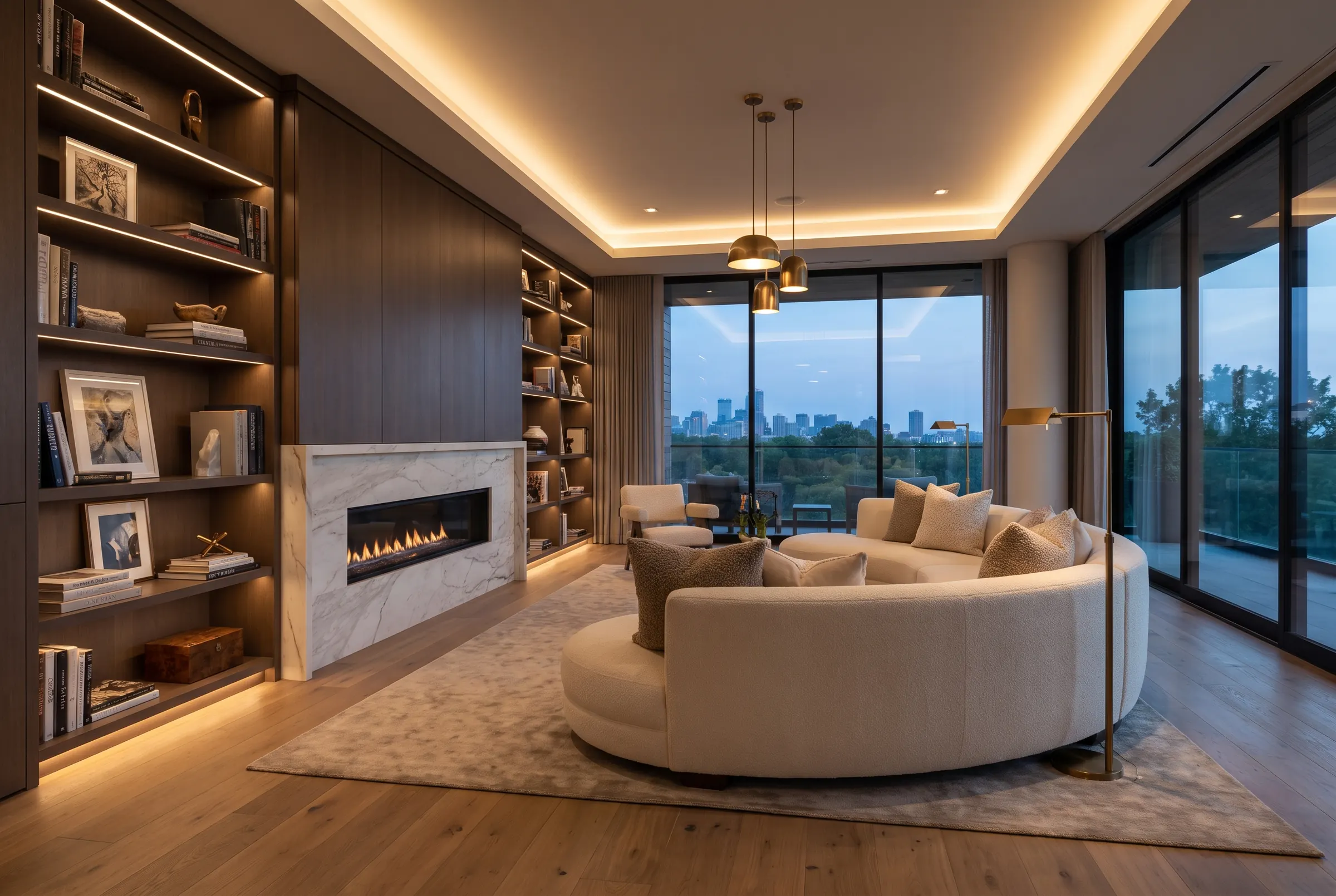
A vacant two-bed condo, listed on a Tuesday. The living room is a bare rectangle with a sliding door. You stage it with a sectional, a rug and a console. The caption reads “Virtually staged”. The remarks say “Living room and primary bedroom virtually staged; property is vacant.” The unstaged living room is photo nine in the gallery.
On Saturday a buyer walks in, looks at the empty rectangle, and says “this is bigger than I expected.” That is the outcome you want. Staging set the scale, the label set the expectation, and the real room beat it. Compare that with the same buyer, no label, walking into the bare room and spending the rest of the showing wondering what else was changed.
Mistakes that make the label meaningless
- Labelling one staged photo and not the others. If the bedroom is staged too, it needs the label too. Partial labelling reads as hiding.
- Staging an occupied home over the sellers' furniture. The buyer sees the sellers' furniture at the showing and the staged version online. “Virtually staged” on top of real furniture confuses more than it clarifies. Shoot the room clean or leave it as it is.
- Letting the stager fix the room. The tool adds a sofa and also removes the radiator under the window. Now the label is covering an alteration it was not meant to cover. Compare the staged version against the original and reject it if anything beyond furniture moved.
- Cropping the label out for social. The reel is often where the buyer first sees the home. If the on-image mark is gone, the caption has to say it.
- Staging in a style that implies who lives there. Keep it to furniture. Personal items, family photos and anything suggesting a particular kind of occupant are a judgement call to avoid; ask your broker if unsure. The fair housing post goes further on this.
The seller side of the label
Sellers sometimes ask for the label to be left off because “it looks better without it.” The answer is that the label is what makes the staged photo usable at all. Without it, the staged image is a photo of a room that does not exist. With it, the image is a demonstration of what the room can hold. Have that conversation before the listing goes live; the seller conversation post gives you a script.
How this works in Rendprop
In Rendprop, add furniture is one of the AI edits in the photo studio, and the result is saved as a separate version labelled “Virtually staged”. The untouched original stays in photo history. You compare the staged version with the original and choose which saved versions to use in the video and on the property website. Because AI can change or invent details, that comparison is where you check that only furniture changed. Check your own MLS rules before posting altered images. The photo studio page has the full list of edits.
Next step: pick one vacant listing, stage one room, label it, and place the empty original three slots later in the gallery. Then watch what buyers say at the first showing.